
PROJECT JAPAN
Taschen
2011
AUTHORS: Hans Ulrich Obrist, Rem Koolhaas
CONTRIBUTION: Charlie Koolhaas' photographs of the Metabolist buildings in their current state.
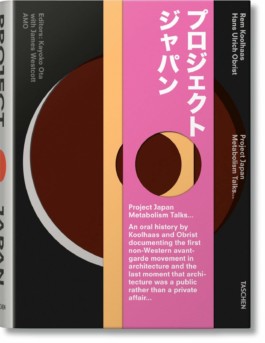
Between 2005 and 2011, architect Rem Koolhaas and curator Hans Ulrich Obrist interviewed the surviving members of Metabolism―the first non-Western avant-garde, launched in Tokyo in 1960, in the midst of Japan’s postwar miracle.
Project Japan features hundreds of never-before-seen images―master plans from Manchuria to Tokyo, intimate snapshots of the Metabolists at work and play, architectural models, magazine excerpts, and astonishing sci-fi urban visions―telling the 20th-century history of Japan through its architecture.
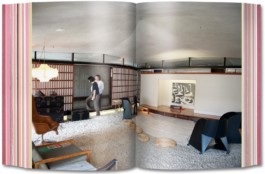
Charlie Koolhaas created portraits of the Metabolist Architectures and their Architects as they toured her through, sometimes dilapidated, sometimes thriving, buildings, showing how they had been occupied, reinvented or decayed. She reveals the quirks in how these idealistic designs were now inhabited by cuteness, weirdness and shadiness, with things like furry mascots, golf courses, cocktail waitresses, and Ikea furnishing.
PROJECT JAPAN
Taschen
2011
AUTHORS: Hans Ulrich Obrist, Rem Koolhaas
CONTRIBUTION: Charlie Koolhaas' photographs of the Metabolist buildings in their current state.
Between 2005 and 2011, architect Rem Koolhaas and curator Hans Ulrich Obrist interviewed the surviving members of Metabolism―the first non-Western avant-garde, launched in Tokyo in 1960, in the midst of Japan’s postwar miracle.
Project Japan features hundreds of never-before-seen images―master plans from Manchuria to Tokyo, intimate snapshots of the Metabolists at work and play, architectural models, magazine excerpts, and astonishing sci-fi urban visions―telling the 20th-century history of Japan through its architecture.
Charlie Koolhaas created portraits of the Metabolist Architectures and their Architects as they toured her through, sometimes dilapidated, sometimes thriving, buildings, showing how they had been occupied, reinvented or decayed. She reveals the quirks in how these idealistic designs were now inhabited by cuteness, weirdness and shadiness, with things like furry mascots, golf courses, cocktail waitresses, and Ikea furnishing.