
BIBLIOTECA LAURENZIANA
2014
Venice Biennale of Architecture
Venice, IT
'For contemporary artists and architects the lesson of the Laurentian Library is perhaps that mannerism is a dish best eaten cold and in small doses' says architect Rem Koolhaas who invited Charlie Koolhaas to convey its ‘brutal beauty’.
She recorded as a photographer and interpreted as a sociologist, two kinds of sacrilege – Michelangelo’s of architecture, and the visiting tourists of Michelangelo.
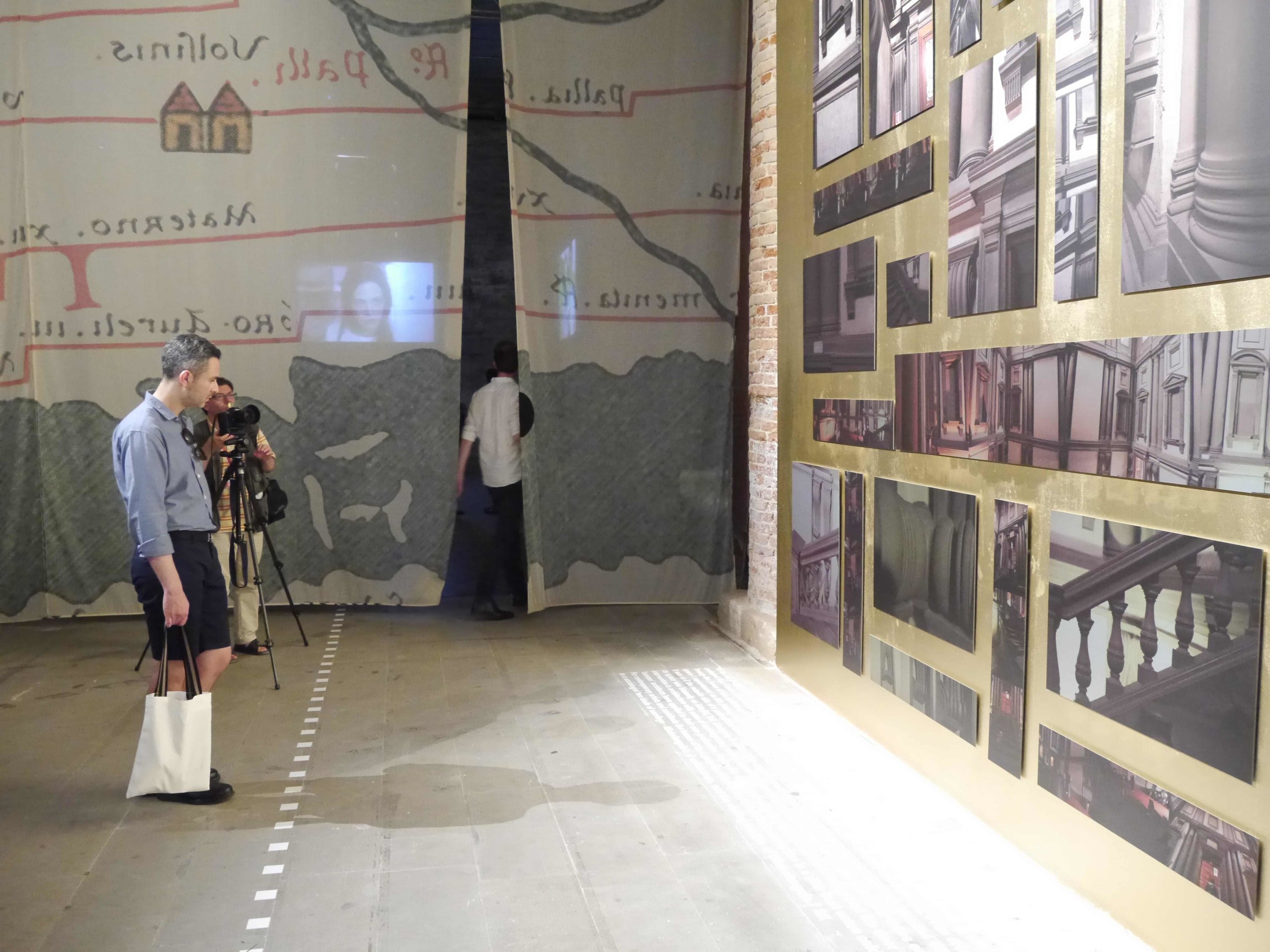
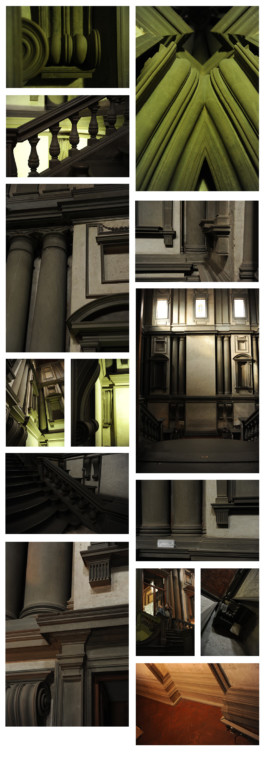
Charlie Koolhaas presented her installation of photographs for the Venice Architecture Biennale 2014, in the Mondo Italia exhibition in the Arsenale.
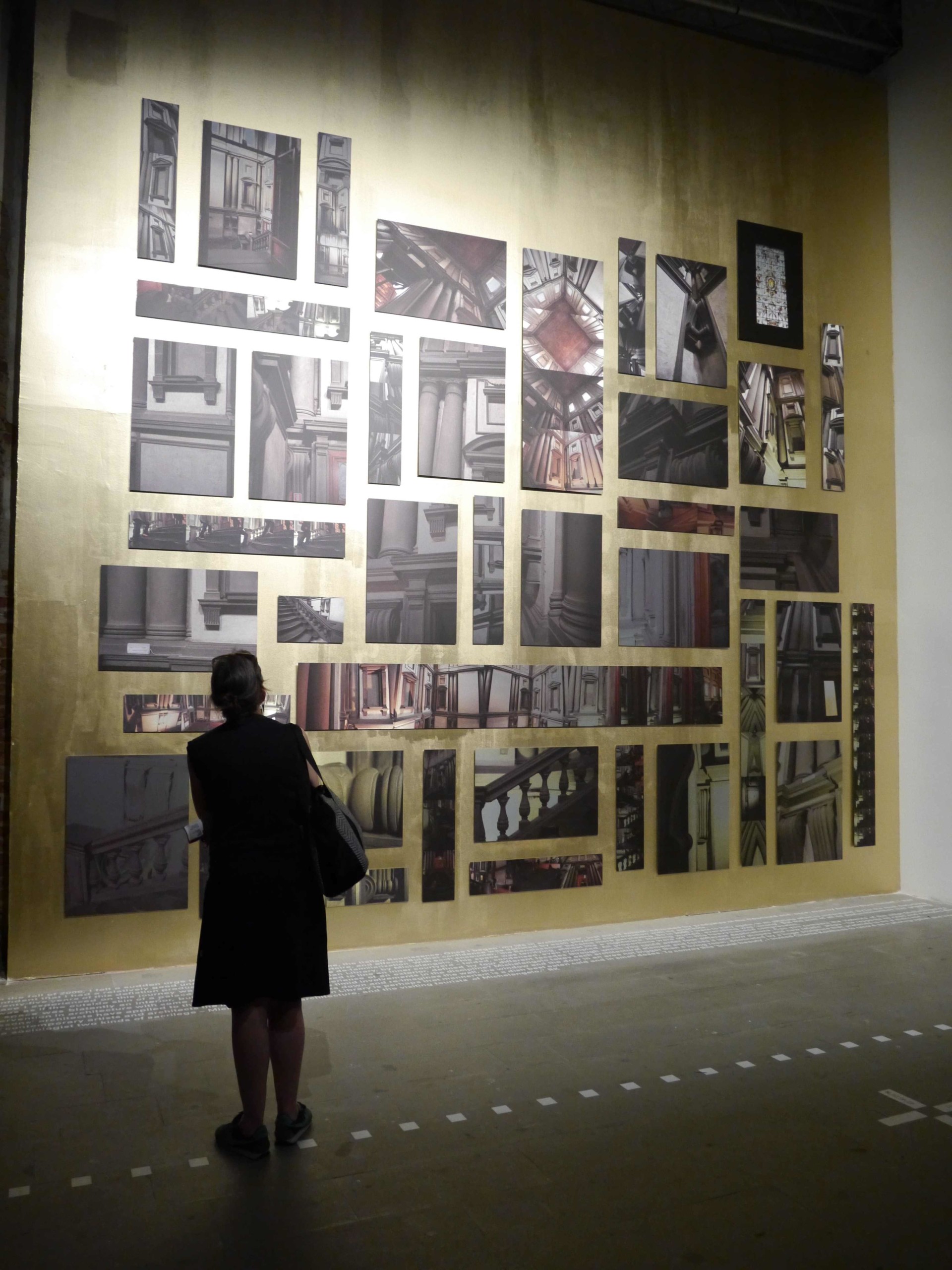
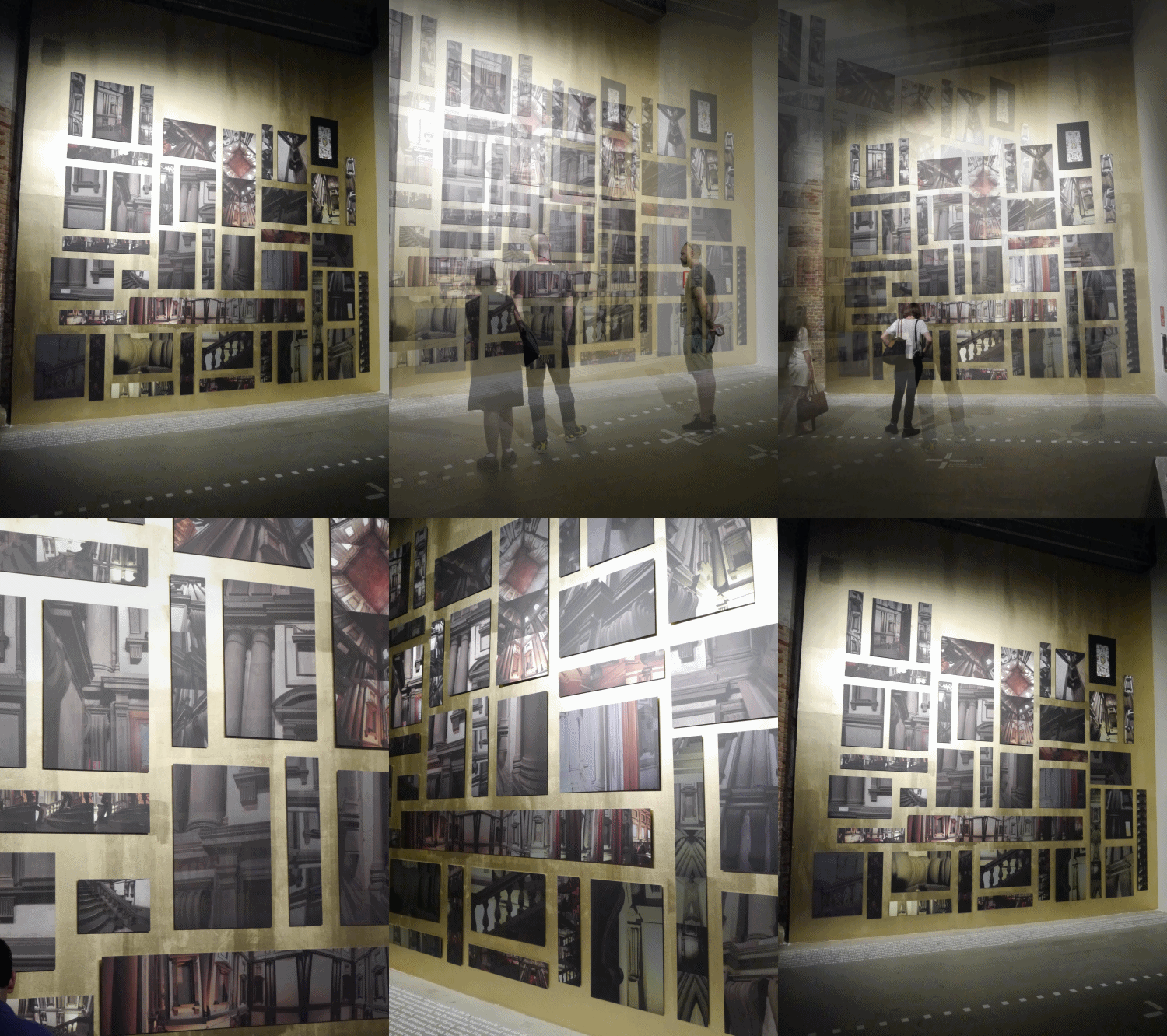
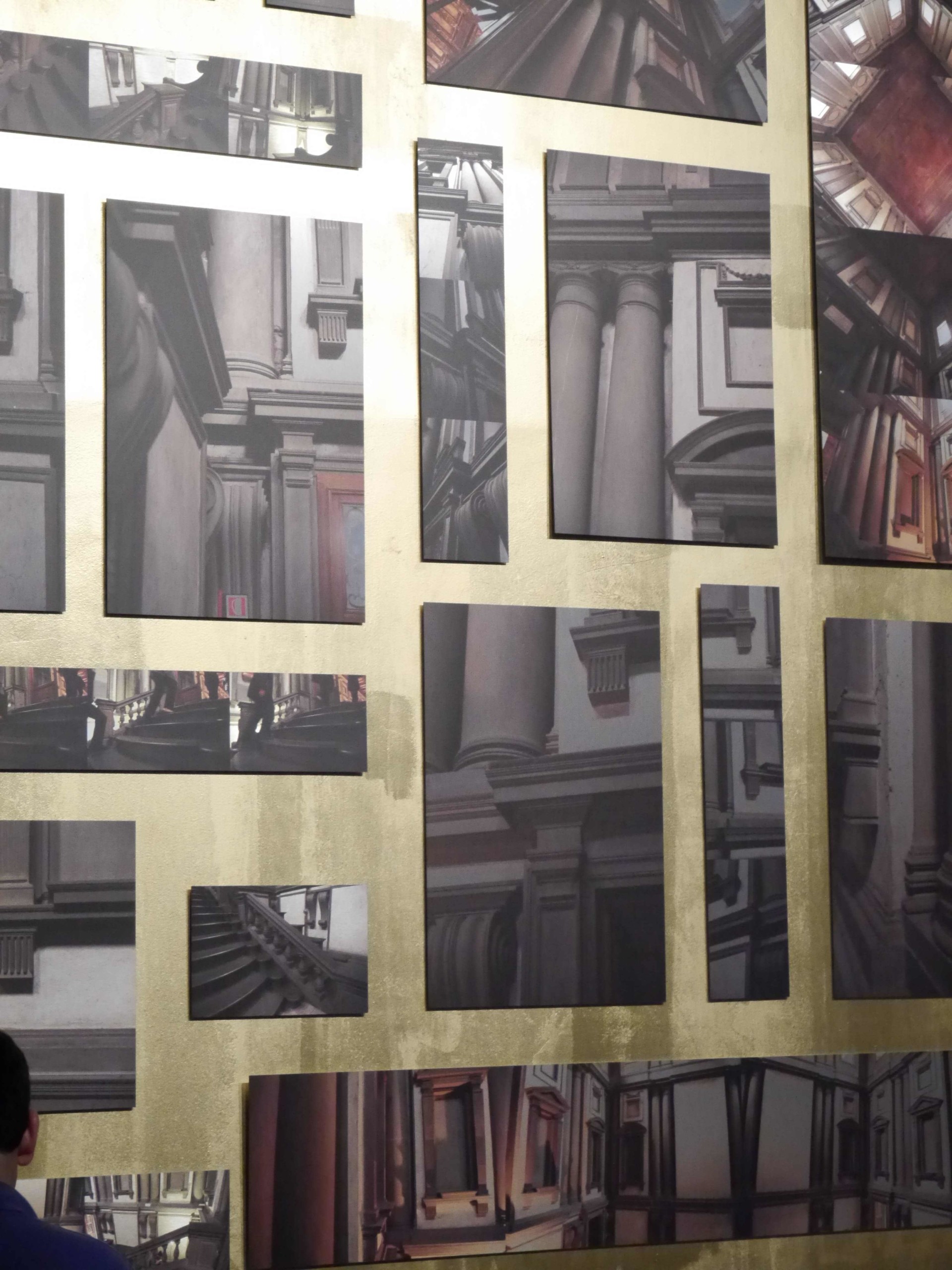
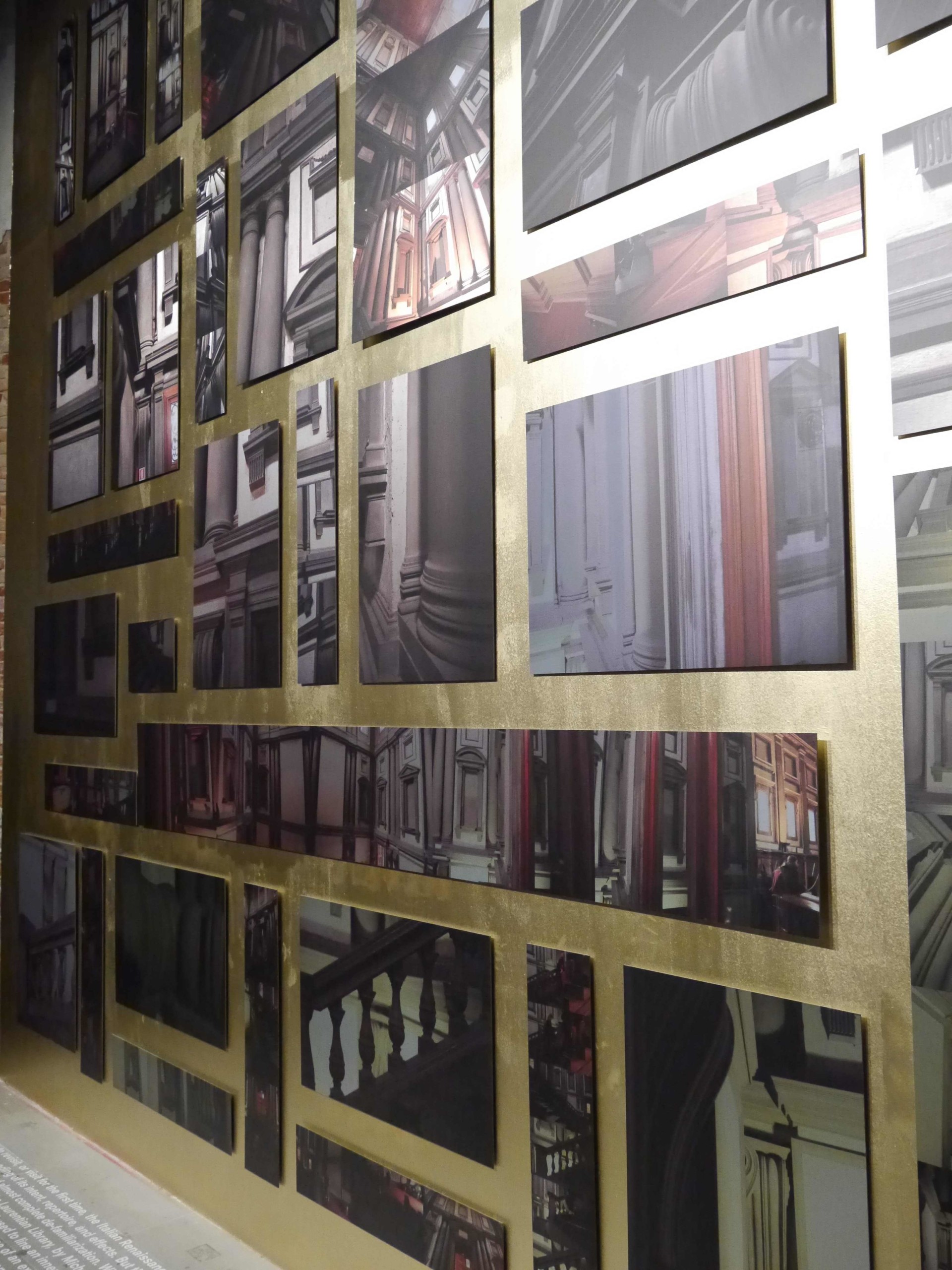
In the fall of 2006, I felt a sudden urge to revisit, or visit for the first time, the Italian Renaissance. Once I began ‘my life in architecture’, just out of school, educated by graduates of the Courtauld and, once, even by Anthony Blunt himself, I was confident that I had a relatively good understanding of its intent, repertoire, and effects. But that confidence was deflated by each physical confrontation with its artefacts.
Twenty-five years of this deflation produced a sense of almost complete de-familiarization. With each encounter, ‘the Renaissance’ became more perplexing. So in 2006 I went to Italy again, in an ultimate effort to understand. By far the most disturbing space I experienced on this journey was the vestibule of the Laurentian Library, by Michelangelo. This space was terrifying, almost like a nightmare. Nothing worked, everything was ‘wrong’. But the sum of all its dysfunctionalities was gripping.
It was as if the outside skin of a palace had been stripped off and used to line an inner courtyard – folded, condensed, even crumpled. All proportions were off in this heavy-handed compression.
Its space was blatantly an interior, but strangely it offered the experience of an exterior, defined by four different facades through which you could enter four different destinations. Can you compare the violence of the artist Michelangelo’s intervention in architecture with some of contemporary artists’ more timid involvements in the discipline? Michelangelo takes each architectural element and forces it into new shapes and new relationships – he respects no rules and ridicules the ‘lessons’ architects have applied to their own profession. He breaks down and re-imagines the wall, the window and the door in an area not bigger than a living room, dominated by a huge sculpture that pretends to be a staircase.
- Rem Koolhaas, exhibition text
BIBLIOTECA LAURENZIANA
2014
Venice Biennale of Architecture
Venice, IT
'For contemporary artists and architects the lesson of the Laurentian Library is perhaps that mannerism is a dish best eaten cold and in small doses' says architect Rem Koolhaas who invited Charlie Koolhaas to convey its ‘brutal beauty’.
She recorded as a photographer and interpreted as a sociologist, two kinds of sacrilege – Michelangelo’s of architecture, and the visiting tourists of Michelangelo.
Charlie Koolhaas presented her installation of photographs for the Venice Architecture Biennale 2014, in the Mondo Italia exhibition in the Arsenale.
In the fall of 2006, I felt a sudden urge to revisit, or visit for the first time, the Italian Renaissance. Once I began ‘my life in architecture’, just out of school, educated by graduates of the Courtauld and, once, even by Anthony Blunt himself, I was confident that I had a relatively good understanding of its intent, repertoire, and effects. But that confidence was deflated by each physical confrontation with its artefacts.
Twenty-five years of this deflation produced a sense of almost complete de-familiarization. With each encounter, ‘the Renaissance’ became more perplexing. So in 2006 I went to Italy again, in an ultimate effort to understand. By far the most disturbing space I experienced on this journey was the vestibule of the Laurentian Library, by Michelangelo. This space was terrifying, almost like a nightmare. Nothing worked, everything was ‘wrong’. But the sum of all its dysfunctionalities was gripping.
It was as if the outside skin of a palace had been stripped off and used to line an inner courtyard – folded, condensed, even crumpled. All proportions were off in this heavy-handed compression.
Its space was blatantly an interior, but strangely it offered the experience of an exterior, defined by four different facades through which you could enter four different destinations. Can you compare the violence of the artist Michelangelo’s intervention in architecture with some of contemporary artists’ more timid involvements in the discipline? Michelangelo takes each architectural element and forces it into new shapes and new relationships – he respects no rules and ridicules the ‘lessons’ architects have applied to their own profession. He breaks down and re-imagines the wall, the window and the door in an area not bigger than a living room, dominated by a huge sculpture that pretends to be a staircase.
- Rem Koolhaas, exhibition text