
PEARL RIVER DELTA REVISITED
2015
Shenzhen Hong Kong
Bi-city Biennale
Shenzhen, China
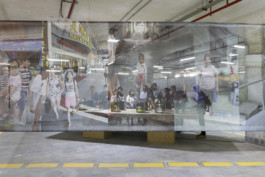
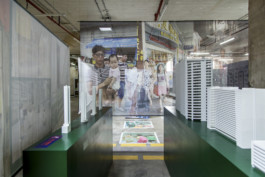
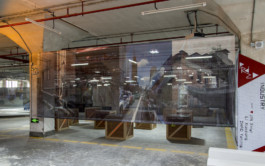
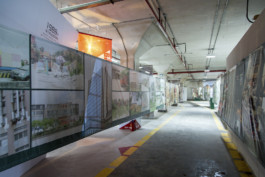
For the Shenzhen Biennale 2015, Charlie Koolhaas contributed a photographic installation that cut through the biennale PRD 2.0 exhibition. She traveled and photographed the PRD, as the cities it contains merge into what will soon be China's largest megacity, one urban area that will house 120 million people.
"i iived In Guangzhou between 2005 – 2011. At that time the PRD was experiencing a moment of intense change, such as the boom brought by the Beijing Olympics, a record influx of foreign migration and frantic development. In 2015 I returned to the area to record it in its present state for the Shenzhen Biennale 2015."
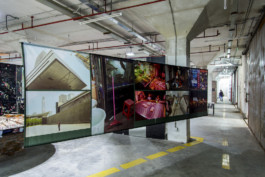
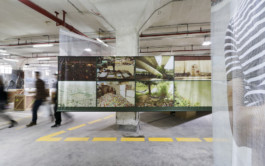
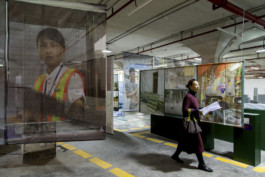
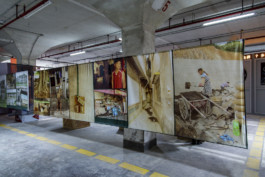
'Today's PRD exists in a radically different world from the one ten years ago, in the grip of an economic slow down, in the midst of a myriad violent conflicts, it is more fearful and uncertain. I found that the euphoria that I had experienced here 10 years ago had turned into something much more cautious and subdued. The architectural flashiness in 2005 that revealed a ferocious desire for experimentation and newness, had now evolved into something more corporate and controlled. Historically the area has thrived on its global connections, evident in its aesthetic blending of east and west, which reveals a blurring of multiple DNA’s.
People live side-by-side with heavy industry. And yet despite the issues, the PRD can teach us about conservation. We see traditional ways of life applied to new environments. Amidst much waste there also remains a fundamental frugality, everything is used and then re-used. One of the biggest differences from ten years ago is the pervasive presence of technology. In the new PRD the virtual dimension has merged with public space, inhabited by citizens intently staring at their mobile phones or taking selfies. But despite its technological connectedness, the PRD is a more strictly Chinese place today than 10 years ago - as visa restriction change for foreign visitors, there are still traders coming here to do business, but clearly, it is harder for them to stay or to live.'
- text by Charlie Koolhaas, excerpt from biennale catalog.
PEARL RIVER DELTA REVISITED
2015
Shenzhen Hong Kong
Bi-city Biennale
Shenzhen, China
For the Shenzhen Biennale 2015, Charlie Koolhaas contributed a photographic installation that cut through the biennale PRD 2.0 exhibition. She traveled and photographed the PRD, as the cities it contains merge into what will soon be China's largest megacity, one urban area that will house 120 million people.
"i iived In Guangzhou between 2005 – 2011. At that time the PRD was experiencing a moment of intense change, such as the boom brought by the Beijing Olympics, a record influx of foreign migration and frantic development. In 2015 I returned to the area to record it in its present state for the Shenzhen Biennale 2015."
'Today's PRD exists in a radically different world from the one ten years ago, in the grip of an economic slow down, in the midst of a myriad violent conflicts, it is more fearful and uncertain. I found that the euphoria that I had experienced here 10 years ago had turned into something much more cautious and subdued. The architectural flashiness in 2005 that revealed a ferocious desire for experimentation and newness, had now evolved into something more corporate and controlled. Historically the area has thrived on its global connections, evident in its aesthetic blending of east and west, which reveals a blurring of multiple DNA’s.
People live side-by-side with heavy industry. And yet despite the issues, the PRD can teach us about conservation. We see traditional ways of life applied to new environments. Amidst much waste there also remains a fundamental frugality, everything is used and then re-used. One of the biggest differences from ten years ago is the pervasive presence of technology. In the new PRD the virtual dimension has merged with public space, inhabited by citizens intently staring at their mobile phones or taking selfies. But despite its technological connectedness, the PRD is a more strictly Chinese place today than 10 years ago - as visa restriction change for foreign visitors, there are still traders coming here to do business, but clearly, it is harder for them to stay or to live.'
- text by Charlie Koolhaas, excerpt from biennale catalog.